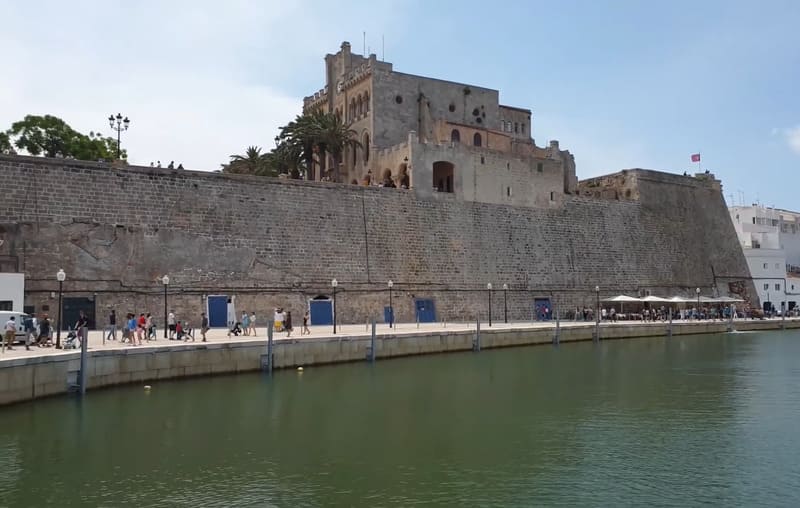
The Balearic Passage: How a €19 Ferry Ticket Connects Cultures, Economies, and EcosystemsA Journey Beyond the BrochureThe ferry route between Mallorca and Menorca is often reduced to a simple transaction: a ticket, a schedule, a crossing. Yet this 55-kilometer stretch of the Balearic Sea carries far more than passengers and cargo. It is a
lifeline—one that sustains local economies, bridges distinct island identities, and tests the limits of sustainable tourism in a region where mass travel and environmental preservation are in constant tension.
At first glance, the promise of a €19 fare seems like a triumph of affordability. But behind this number lies a complex web of
dynamic pricing, seasonal demand, and hidden costs—both financial and ecological. This route is not just a means of transport; it is a microcosm of the Mediterranean’s broader challenges and opportunities.
Reserve your
ferry to menorca from mallorca for only €19, with easy comparisons and no hidden costs for a stress-free trip.
The Islands: Two Faces of the Balearic IdentityMallorca: The Engine of Mass TourismMallorca, the larger and more developed of the two islands, is a powerhouse of Mediterranean tourism. Its capital, Palma, is a hub of
international flights, cruise ships, and resort chains, drawing over
12 million visitors annually. The island’s economy thrives on volume, with infrastructure designed to accommodate waves of tourists seeking sun, nightlife, and cultural landmarks.
Yet this model comes at a cost:
Overtourism has led to
rising housing prices, displacing locals in favor of short-term rentals.
Seasonal dependency leaves businesses vulnerable during off-peak months.
Environmental strain, from water scarcity to coastal erosion, is a growing concern.
For many Mallorcans, the ferry to Menorca is an escape—a chance to trade crowded beaches for quieter coves.
Menorca: The Quiet Guardian of TraditionMenorca, in contrast, has cultivated an image of
untouched beauty and slow living. Designated a
UNESCO Biosphere Reserve in 1993, the island prioritizes
sustainable development, limiting high-rise hotels and preserving its rural landscapes. Its economy relies heavily on
ferry arrivals, as it lacks a major airport capable of handling large-scale tourism.
Key differences include:
Tourist demographics: Menorca attracts
families, nature enthusiasts, and cultural travelers rather than partygoers.
Economic resilience: With fewer seasonal extremes, local businesses enjoy
more stable year-round income.
Cultural preservation: The island’s
Talayotic ruins, traditional festivals, and artisan crafts remain central to its identity.
The ferry route, therefore, is not just a connection between two islands—it is a
bridge between two philosophies of tourism.
The Economics of the €19 Fare: What the Price Tag Doesnt RevealThe Illusion of AffordabilityThe advertised €19 fare is a
marketing strategy, designed to attract budget-conscious travelers. In reality, few passengers pay this base price. Several factors influence the final cost:
Seasonal surcharges: During peak months (June–September), prices can
double or triple, with foot passenger fares reaching €50–€70.
Vehicle supplements: Bringing a car adds
€80–€120 to the ticket, reflecting the ferry’s role in
freight and logistics.
Last-minute pricing: Like airlines, ferry companies use
dynamic pricing algorithms, raising costs as departure nears.
Who Really Benefits?The ferry industrys revenue model extends beyond ticket sales:
Onboard spending: Cafés, duty-free shops, and premium lounges generate
significant ancillary income.
Freight contracts: Ferries transport
30% of the islands’ goods, from fresh produce to construction materials, ensuring steady revenue.
Government subsidies: The Balearic administration occasionally
underwrites routes to keep them affordable for residents, particularly in winter.
The Hidden Costs of Cheap TravelWhile low fares benefit tourists, they also create
unseen pressures:
Wage stagnation: Ferry crews often work
long hours for modest pay, with seasonal contracts offering little job security.
Infrastructure strain: Ports in Ciutadella and Mahón must handle
thousands of daily passengers, leading to congestion and wear.
Environmental trade-offs: Cheaper fares encourage
more frequent crossings, increasing fuel consumption and emissions.
The Human Stories: Life on the Balearic FerriesCommuters: The Invisible WorkforceFor many, the ferry is not a leisurely voyage but a
daily necessity:
Healthcare workers travel between islands to fill staffing gaps in Menorcas smaller hospitals.
Teachers and students commute for specialized education, particularly in Palmas universities.
Seasonal laborers follow work opportunities, from Mallorca’s hotels to Menorca’s agricultural sectors.
The Crew: Voices from the DeckFerry employees offer a ground-level perspective on the industrys challenges:
"In summer, we’re a floating festival—loud, crowded, full of energy. By winter, it’s just locals, fishermen, and a few brave tourists. The same people, the same stories, year after year." —
Joana, Purser, TrasmediterráneaKey issues include:
Labor rights: Strikes over
wages and conditions have disrupted services in past years, highlighting tensions between profit and fair treatment.
Multilingual demands: Crews must communicate in
Catalan, Spanish, English, and German, reflecting the diverse passenger base.
Safety concerns: Overcrowding and
rough winter seas add stress to an already demanding job.
The Digital Nomads and Second-Home OwnersA growing segment of passengers consists of
remote workers and retirees who split their time between islands:
Cost of living arbitrage: Some live in
affordable Menorca but commute to Mallorca for
business or healthcare.
Cultural exchange: Artists, writers, and entrepreneurs draw inspiration from
Menorca’s tranquility while maintaining ties to Mallorca’s urban amenities.
Environmental Crossroads: Can the Ferries Go Green?The Carbon Footprint of ConvenienceA single ferry crossing emits
~50 kg of CO₂ per passenger—less than a flight but still significant. With
millions of crossings annually, the cumulative impact is substantial. Operators face growing pressure to adopt
sustainable practices:
LNG-Powered Vessels: Balearia’s
Eleanor Roosevelt (2021) was the first
liquefied natural gas (LNG) ferry in the Mediterranean, reducing emissions by
30%.
Electric and Hybrid Models: While Norway has pioneered
electric ferries, the Balearics lack the
charging infrastructure to implement them at scale.
Slow Travel Alternatives: Some passengers now opt for
sailboat crossings, supporting eco-tourism startups that offer
carbon-neutral journeys.
Protecting the Balearic SeaThe waters between Mallorca and Menorca are a
biodiversity hotspot, home to:
Posidonia seagrass meadows, which
sequester CO₂ and support marine life.
Endangered species, such as the
Balearic shearwater, threatened by
boat traffic and pollution.
Regulations now enforce:
Speed limits in protected zones to
prevent propeller damage to seagrass.
Waste disposal protocols to reduce
plastic and fuel pollution.
Yet enforcement remains
inconsistent, and
tourist demand often takes precedence over ecological concerns.
The Future: Innovation, Regulation, and ResistanceTechnological Shifts on the HorizonFerry companies are exploring
cutting-edge solutions to modernize the industry:
AI-Optimized Routes: Predictive algorithms adjust
speed and fuel use based on weather and passenger load, reducing waste.
Hydrogen Ferries: A
2027 pilot project between Palma and Ibiza could introduce
zero-emission vessels to the region.
Biometric Boarding: Facial recognition and
digital tickets aim to
streamline embarkation and reduce paper waste.
The Threat of Over-TourismMenorca’s government has floated the idea of
tourist caps, similar to Venice’s controversial measures. If implemented, ferry companies may need to:
Limit bookings during peak season.
Prioritize residents over visitors.
Increase fares to
discourage mass tourism.
Such policies could
reshape the ferry industry, forcing operators to balance
profitability with sustainability.
The Rise of AlternativesWhile ferries dominate, new options are emerging:
Air Connectivity: Palma’s airport offers
20-minute flights to Menorca, but
high costs (€80–150) keep ferries competitive.
Ride-Sharing Boats: Apps like
BoatBureau let travelers book seats on
private yachts, bypassing commercial operators.
Cargo-Only Routes: Some companies now offer
freight-only ferries, reducing passenger congestion.
A Voyage of ContradictionsThe Mallorca-Menorca ferry route is a
paradox: it is both a
symbol of accessibility and a
testament to excess. It connects
two islands with divergent identities, sustains
local economies while straining ecosystems, and offers
affordable travel at hidden costs.
As the Balearics stand at a crossroads—facing
climate change, over-tourism, and economic inequality—this unassuming sea passage will continue to reflect the region’s
resilience and contradictions. The €19 ticket is not just a fare; it is an invitation to
rethink how we travel, consume, and coexist with the places we visit.
A Question for ReflectionIf ferry routes like this one adopted
strict tourist limits or carbon taxes, would you still choose to travel this way? Or would the convenience of affordability outweigh the call for sustainability?